What to Check Before Buying a Used or Rebuilt Gas Turbine
A used gas turbine can shorten project lead times compared with ordering new equipment, but the condition and documentation of each unit vary widely. The checklist below is general guidance; the right scope of checks for a specific unit should be set with an independent inspection specialist and, where possible, the original equipment manufacturer (OEM).
1. Identity and ownership documents
- Manufacturer, model, serial numbers of the gas turbine, generator and gearbox (if any), and the year of manufacture.
- Proof that the seller owns the equipment or is authorised to sell it, and that it is free of liens or security interests.
- Any export or import restrictions that apply in the seller's and buyer's countries.
2. Operating history
- Total fired hours and number of starts, and hours/starts since the last major overhaul or hot-section inspection.
- Maintenance and inspection reports, borescope reports, and records of any failures, trips or major repairs.
- Who performed the service work (OEM, authorised service provider or independent shop).
- For "rebuilt" or "zero-hour" units: what exactly was rebuilt, by whom, with which parts, and what test (if any) was carried out afterwards.
3. Physical inspection
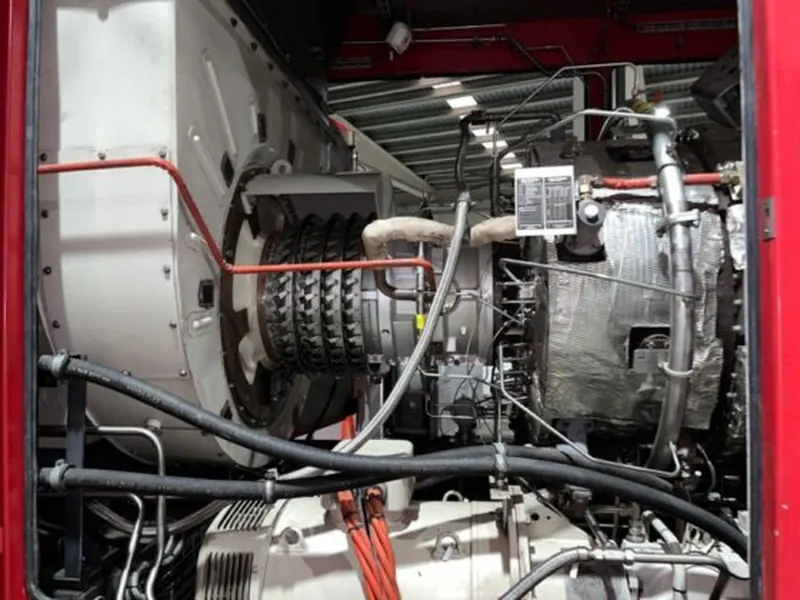
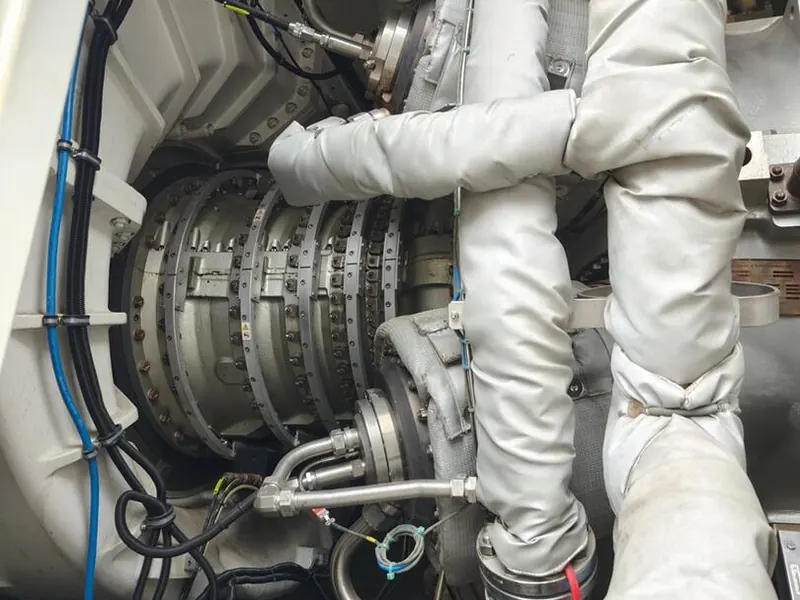
- A site visit or third-party inspection, including borescope of the gas path where accessible.
- Generator condition (insulation resistance and other electrical tests), lube oil system, fuel system, enclosure, filters and auxiliaries.
- For units in storage: how they were preserved (dehumidification, inhibitors, rotation schedule) and for how long.
4. Scope of supply
- Exactly what is included: control system and software licences, switchgear, transformers, inlet/exhaust systems, fuel gas conditioning, spare parts, documentation and drawings.
- Whether the control system is still supported, and what an upgrade might involve.
- Fuel compatibility with your site (gas composition, liquid fuel, dual-fuel) and frequency (50 Hz or 60 Hz). A 60 Hz unit generally cannot simply be used on a 50 Hz grid without changes to the generator or gearbox.
5. Performance and emissions
- Expected output and heat rate at your site's ambient temperature, altitude and fuel, not only at ISO conditions.
- Emissions performance against your local permit requirements (for example NOx limits) and whether a dry low emissions (DLE) combustion system is fitted.
6. Commercial and logistics
- Dismantling, packing, transport dimensions and weights, and who is responsible for each step (Incoterms).
- Re-installation, commissioning support and availability of spare parts.
- Payment structure: a staged payment through an escrow arrangement, tied to agreed milestones such as inspection and shipment, can reduce risk for both sides. See how escrow works.
Browse listings by manufacturer or by power range. Each listing page shows the source information, the photo type and the date the listing was last checked; always confirm all details with the owner.
PowerBridge lists equipment for sale by independent owners. We do not own the assets. Buyers connect directly with independent owners via secure escrow.