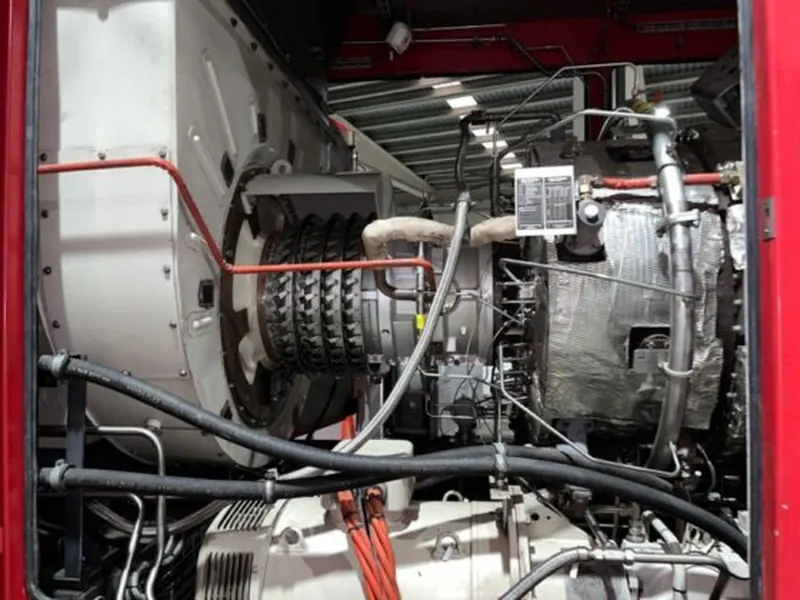
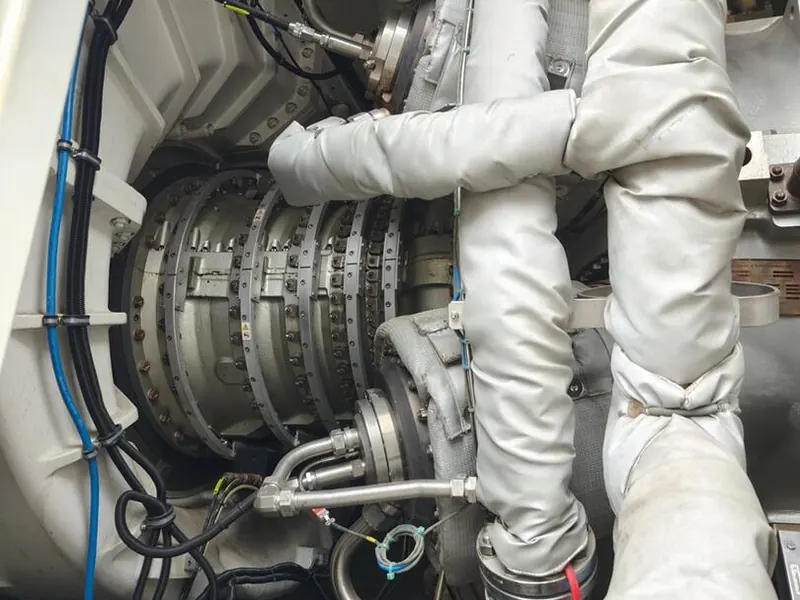
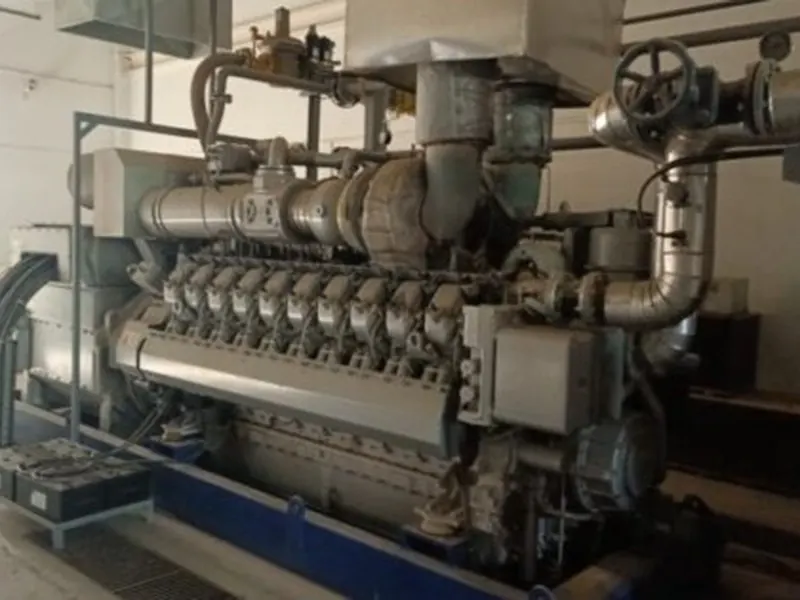
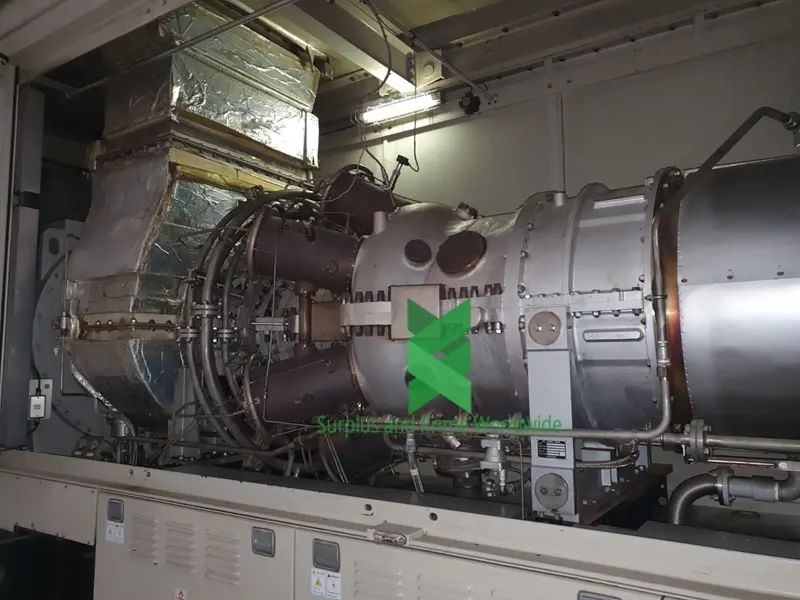
Gas Turbine vs Reciprocating Engine Gensets for Distributed Power
Distributed and industrial power plants in the 1–100 MW range are commonly built with either gas turbine generator sets or reciprocating (piston) engine gensets. Both are mature technologies. The right choice depends on the load profile, fuel, site conditions, heat demand and maintenance capability. This article gives general, qualitative guidance; project-specific comparisons should use manufacturer performance data for the actual models and site conditions.
Efficiency and load behaviour
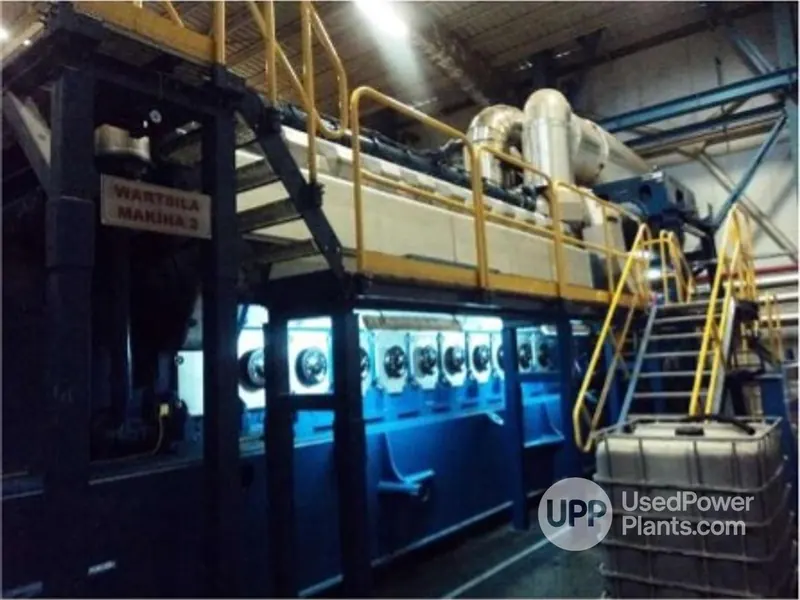
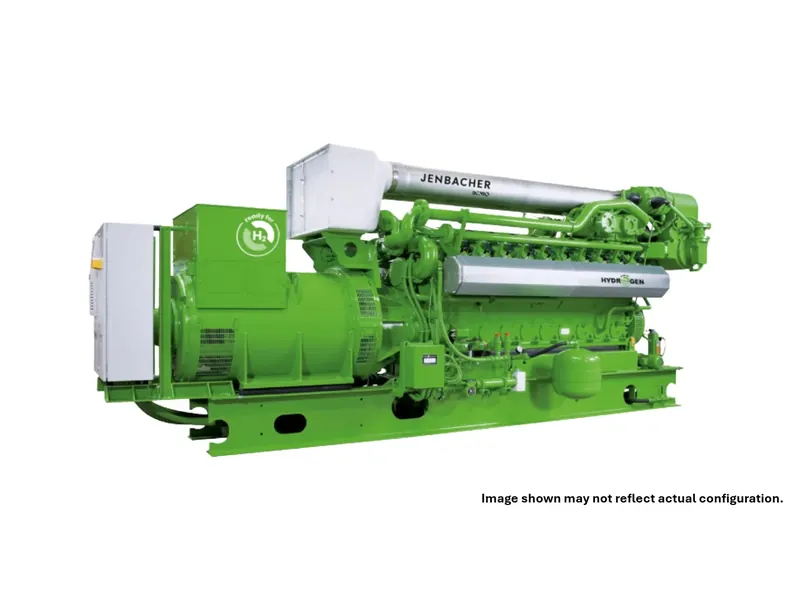
- Reciprocating engines generally achieve higher simple-cycle electrical efficiency than small and mid-size industrial gas turbines, and they keep their efficiency relatively well at part load. Plants built from several engines can switch units on and off to follow load.
- Gas turbines are most efficient near full load; efficiency drops more noticeably at part load. Their simple-cycle efficiency tends to increase with unit size, and combined cycle (adding a heat recovery steam generator and a steam turbine) raises plant efficiency substantially.
Ambient conditions
Gas turbine output and efficiency fall as ambient temperature and altitude rise, because the turbine's performance depends on the mass of air it takes in. Reciprocating engines are typically less sensitive to ambient temperature, although they also derate at high temperatures and altitudes. For hot regions such as the Middle East, Iraq and parts of Africa, compare output at site conditions, not only at ISO rating.
Heat recovery
Gas turbines produce a large flow of hot exhaust gas, which is well suited to producing high-pressure steam in a heat recovery boiler for combined cycle or industrial process steam. Reciprocating engines release heat both through exhaust and through jacket water and lube oil cooling; this suits hot water and lower-pressure steam applications.
Maintenance
- Reciprocating engines usually need more frequent routine maintenance (oil, spark plugs, valve work) and periodic overhauls that can often be carried out on site.
- Gas turbines typically have longer intervals between inspections, but major overhauls of the hot section may require specialised shops or engine exchange programmes.
Other factors
- Fuel: both can run on natural gas; many models are available in dual-fuel or liquid-fuel versions. Check the fuel specification limits for gas composition and pressure (gas turbines usually need higher fuel gas pressure, which may require a compressor).
- Footprint and weight: gas turbines usually offer more power per unit of weight and footprint, which matters for offshore, mobile and space-constrained sites.
- Water use, emissions and noise: check local permit limits and the equipment's emission control options.
- Grid code and frequency: 50 Hz vs 60 Hz and grid-connection requirements apply to both technologies.
Browse listings under 5 MW, 5–20 MW, or listings by manufacturer such as Jenbacher, Wärtsilä and Solar Turbines.
PowerBridge lists equipment for sale by independent owners. We do not own the assets. Buyers connect directly with independent owners via secure escrow.